
This guide is authored by a senior thermal processing engineer with over 12 years of experience at ZLPH MACHINERY TECHNOLOGY CO., LTD., a global provider of industrial sterilization solutions. It addresses a critical challenge faced by food and beverage manufacturers worldwide: inconsistent sterilization outcomes during pilot-scale retort trials. This issue—manifesting as under-processing, overcooking, or batch-to-batch variability—typically stems from three root causes: inadequate temperature uniformity, poor load configuration, and insufficient process validation protocols. Drawing on more than 5,000 global installations and extensive R&D in thermal processing systems, we present a field-tested, step-by-step methodology to achieve repeatable, compliant, and efficient pilot retort runs. In this guide, we dissect the underlying causes, deliver scenario-specific fixes, share real-world validation data, and provide actionable best practices to ensure your pilot trials accurately reflect full-scale production performance.

How to Ensure Temperature Uniformity in Small-Batch Pilot Retort Runs?
1. Scenario & Pain Point
During pilot testing of new ready-to-eat meals, R&D teams often observe significant cold spots (ΔT > 3°C) within the retort chamber, leading to failed lethality calculations and unreliable scale-up data. This inconsistency delays product launch timelines and increases compliance risks under FDA 21 CFR Part 113 or EU regulations.

2. Root Cause Analysis
The primary causes include: (a) insufficient steam circulation due to undersized fan systems in compact retorts; (b) improper basket loading that blocks airflow; and (c) lack of real-time thermal mapping during test cycles.

3. Step-by-Step Solution
Immediate Adjustment: Reconfigure product trays using staggered stacking to allow 360° steam penetration. Install temporary baffles to redirect flow toward cold zones.
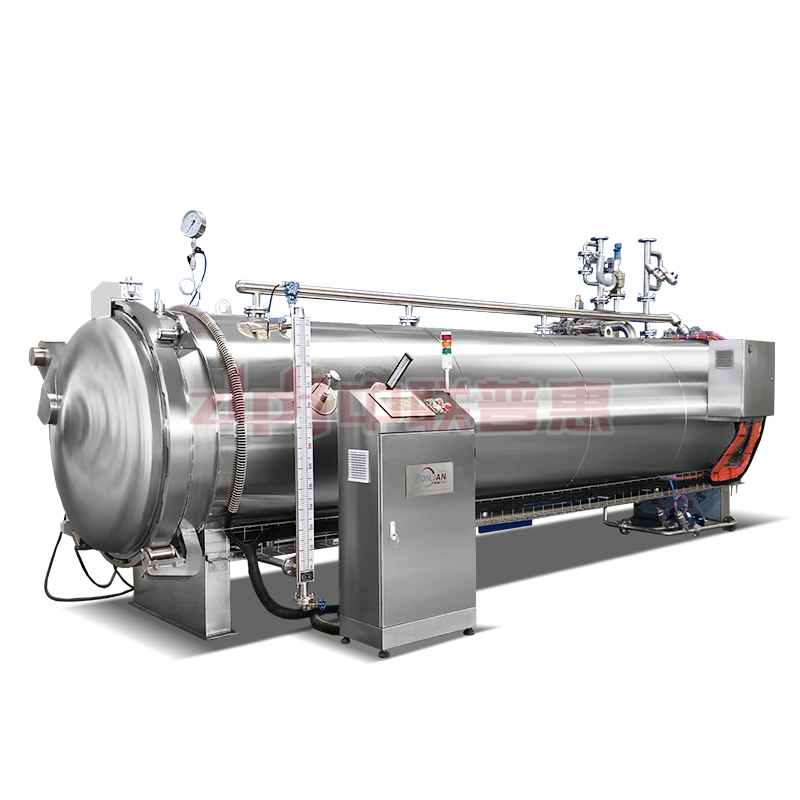
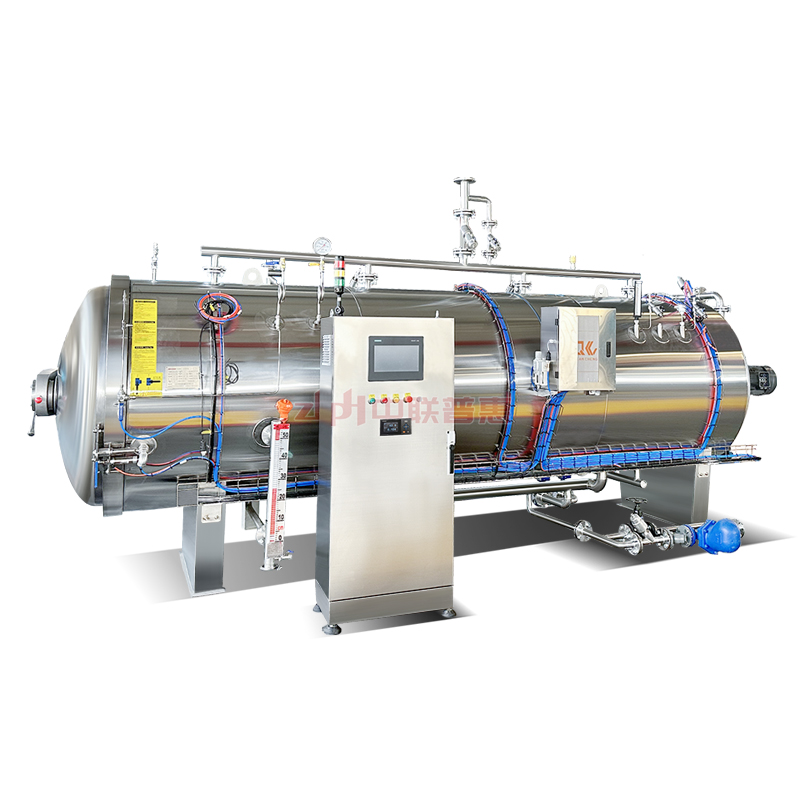
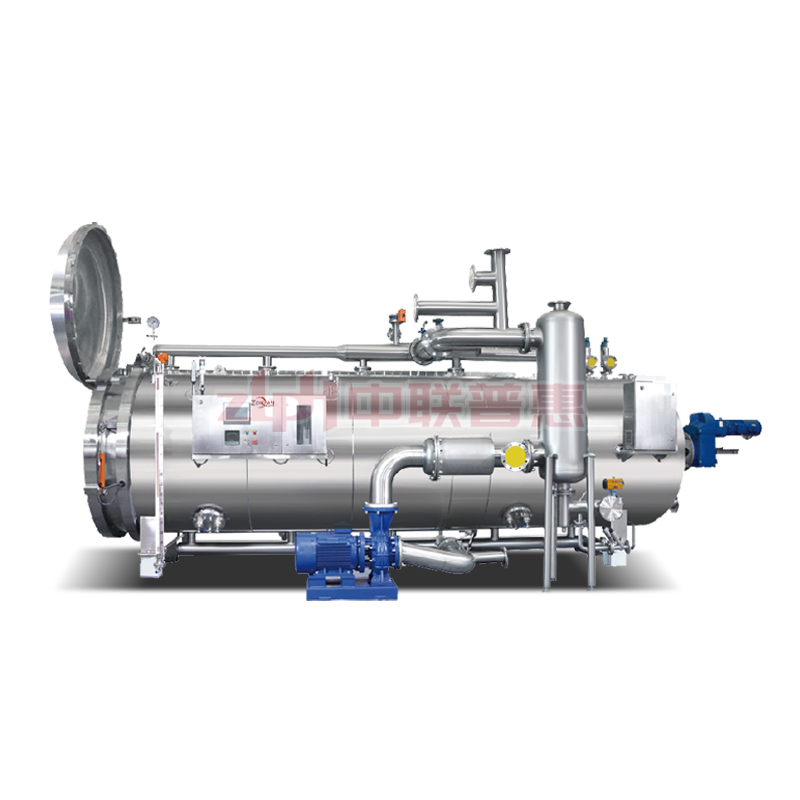
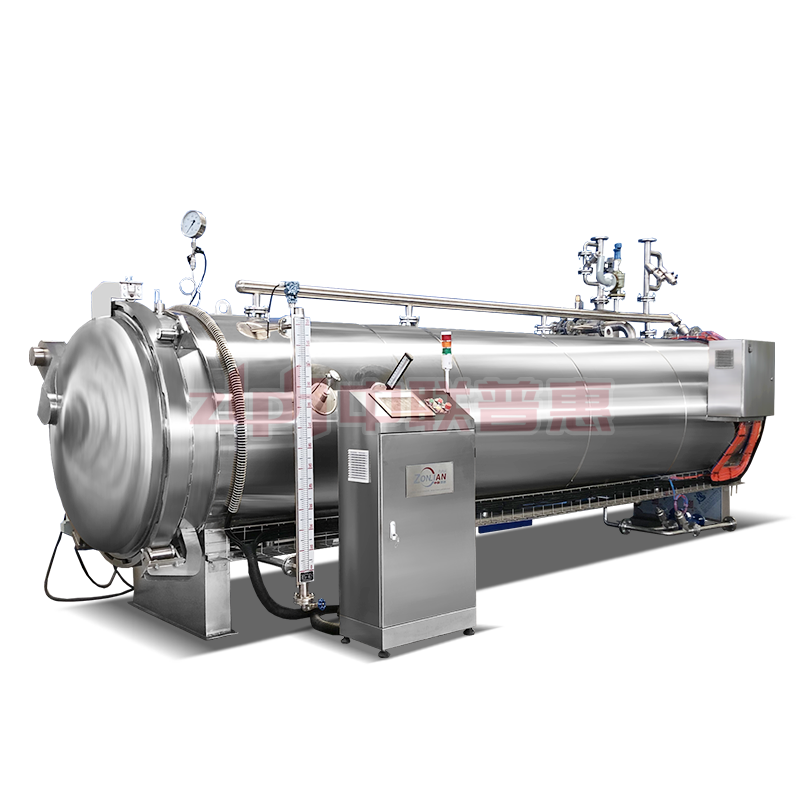
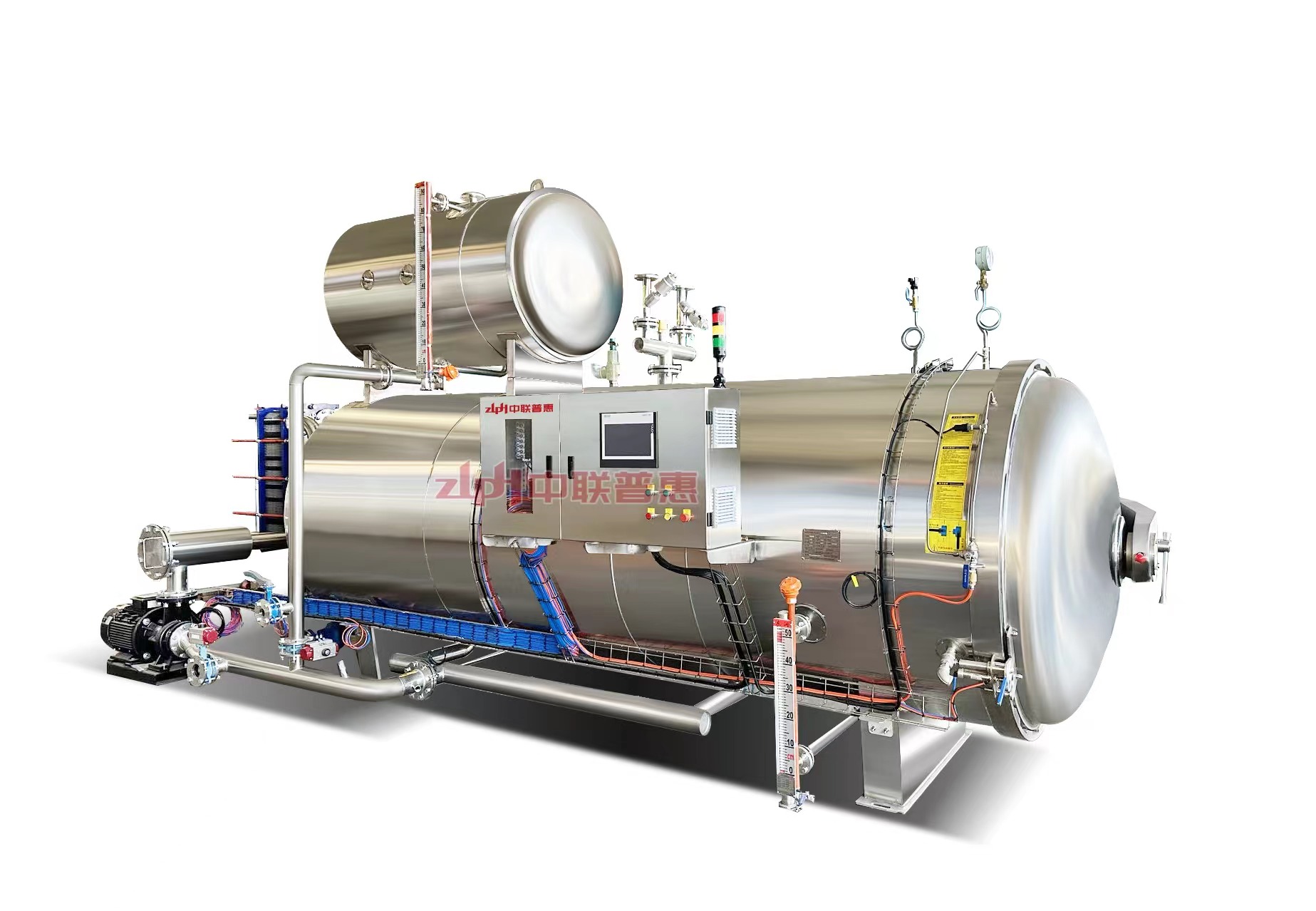
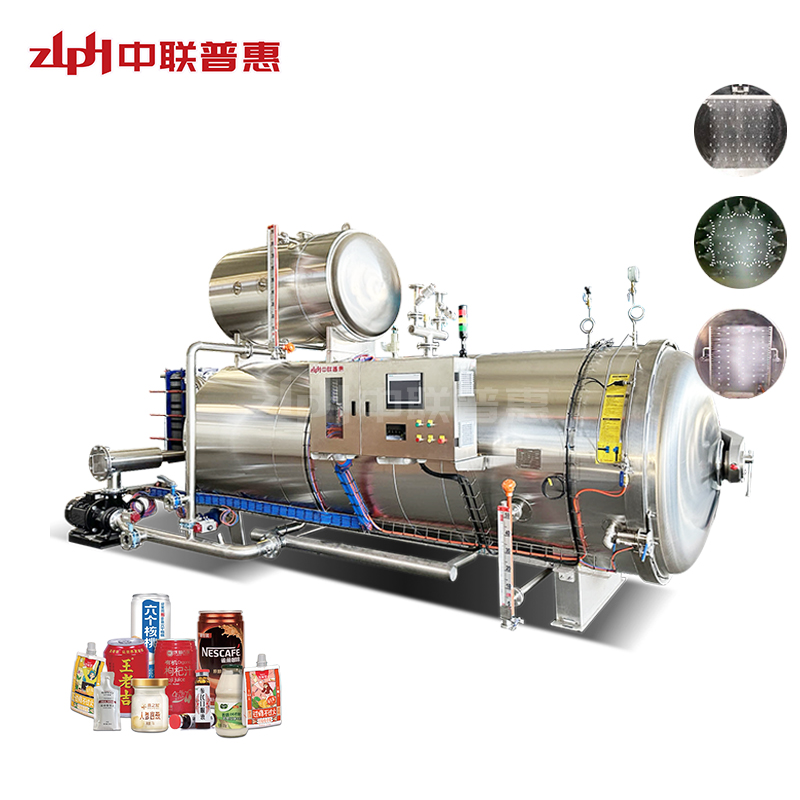
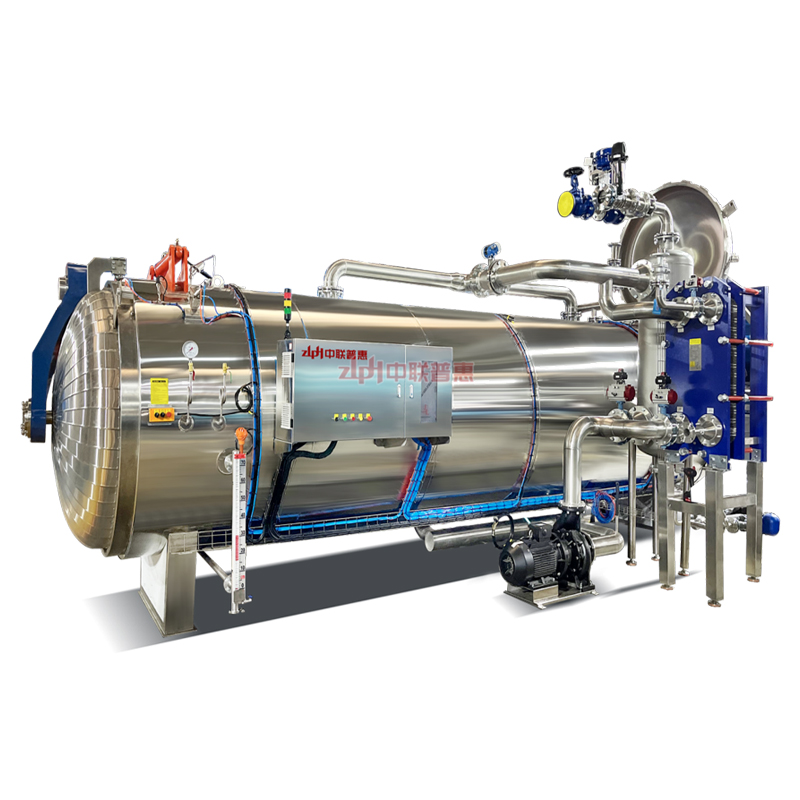
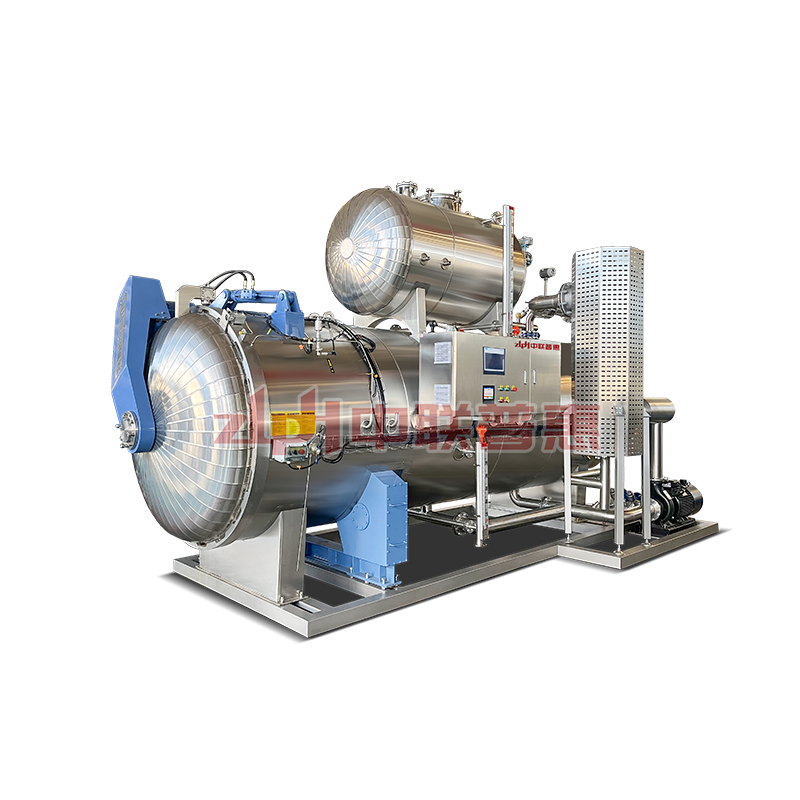
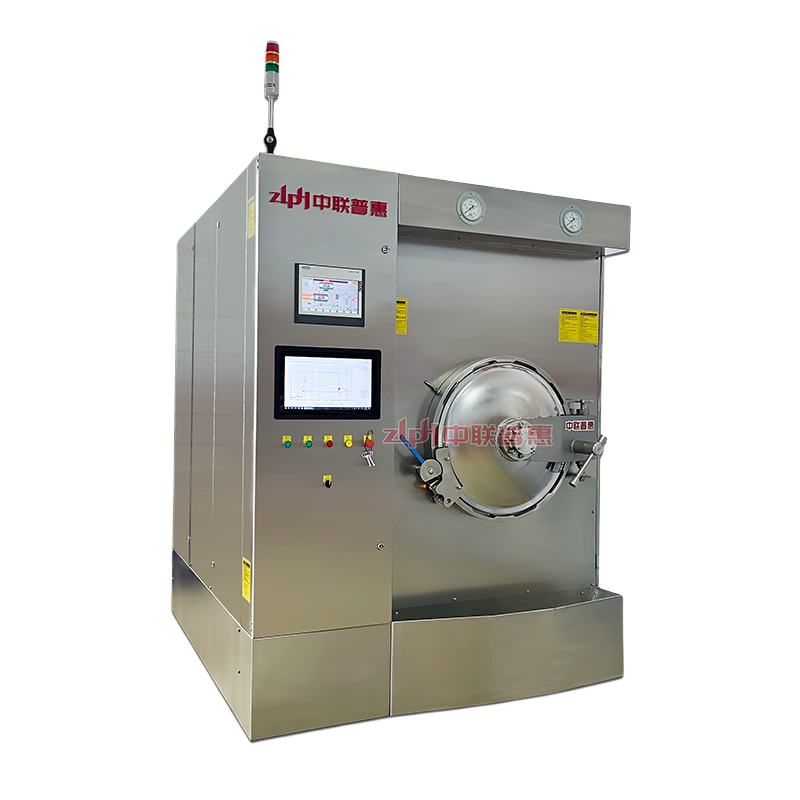
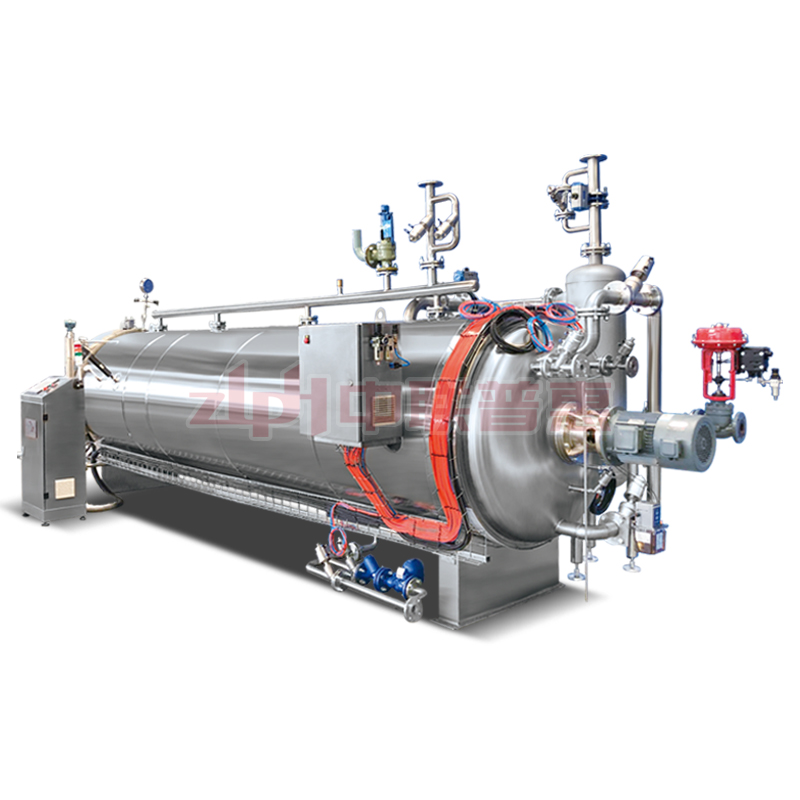
Long-Term Fix: Deploy pilot retorts equipped with forced convection systems and multi-point RTD sensors. ZLPH’s pilot retort series integrates a dual-fan circulation design validated to maintain ±0.5°C uniformity across 50L–200L loads.
Process Validation: Conduct thermal mapping per ASTM F2758 using 16+ data loggers to identify and eliminate cold spots before finalizing the process schedule.

4. Troubleshooting & Pitfall Avoidance
Always validate empty-chamber performance first. Never assume lab-scale results translate directly to pilot scale. Avoid using water-only dummy loads—they fail to replicate product heat transfer dynamics. Instead, use surrogate products with matched thermal properties.
5. Real-World Validation
At a major European pet food manufacturer, implementing ZLPH’s pilot retort with active airflow control reduced thermal variance from 4.2°C to 0.8°C, enabling successful FDA submission within 3 weeks. Batch consistency improved by 92% over six months of continuous trials.
How to Prevent Overcooking When Scaling from Lab to Pilot Retort?
1. Scenario & Pain Point
Product developers notice texture degradation and nutrient loss when moving from 1L lab autoclaves to 100L pilot retorts—even with identical time/temperature settings—due to unaccounted heat penetration delays.
2. Root Cause Analysis
Lab autoclaves heat small volumes almost instantaneously, while pilot retorts exhibit thermal lag. Using come-up time (CUT) from lab data without adjustment leads to excessive total process time (TPT), causing overprocessing.
3. Step-by-Step Solution
Measure actual CUT in the pilot system using thermocouples at the slowest-heating point (cold spot). Recalculate TPT using Ball’s formula or numerical modeling. ZLPH’s retort control software auto-adjusts hold time based on real-time CUT, ensuring precise Fo delivery.
4. Troubleshooting & Pitfall Avoidance
Never extrapolate lab Fo values directly. Always perform heat penetration studies in the actual container and matrix. Use wireless data loggers rated for high-pressure steam environments (e.g., ≥130°C, 3 bar).
5. Real-World Validation
A U.S. baby food producer reduced overcooking complaints by 87% after adopting ZLPH’s dynamic Fo control system, which adjusts cycle parameters in real time based on live thermal feedback.
Industry Best Practices for Reliable Pilot Retort Trials
Based on 12+ years of global project execution, we recommend this 5-step framework to ensure pilot trial integrity:
1. Define Worst-Case Conditions
Test at maximum load density, lowest initial product temperature, and minimum steam pressure to simulate real-world variability.
2. Validate Instrumentation
Calibrate all temperature and pressure sensors annually per ISO/IEC 17025. Use NIST-traceable standards.
3. Standardize Load Patterns
Document and replicate exact tray configurations, container orientations, and spacing for every run.
4. Implement Digital Process Records
Use retorts with automated data logging (e.g., ZLPH’s HMI system) to generate audit-ready reports compliant with FDA 21 CFR Part 11.
5. Conduct Pre-Scale-Up Review
Hold cross-functional alignment between R&D, QA, and engineering before transitioning to production.
Frequently Asked Questions (FAQ)
Q: Can I use a standard lab autoclave for pilot retort validation?
A: No. Lab autoclaves lack the thermal mass, circulation dynamics, and control precision of true pilot retorts. They cannot replicate production-scale heat transfer behavior, risking invalid scale-up data.
Q: What certifications should a pilot retort have for EU market access?
A: Look for CE marking under Machinery Directive 2006/42/EC, PED 2014/68/EU (if pressurized), and compliance with EN 13445 for unfired pressure vessels.
Q: How often should I perform thermal mapping on a pilot retort?
A: Initially during commissioning, then annually, or after any major maintenance, relocation, or process change—per FDA guidance and BRCGS Issue 9.
Q: Does ZLPH offer pilot retort rental or trial programs?
A: Yes. We provide short-term pilot units with remote monitoring support for feasibility testing, including free thermal validation consultation.
Q: Can pilot retorts handle glass jars and flexible pouches in the same run?
A: Only if validated separately. Mixed loads create unpredictable heat transfer paths. Always run homogeneous batches during critical trials.
About Our Expertise & Support
ZLPH MACHINERY TECHNOLOGY CO., LTD. is a specialized manufacturer of industrial retort systems with over 15 years of experience in thermal processing equipment. Operating from a 50-acre facility with 15,000 m² of advanced manufacturing space, we integrate precision CNC machining, robotic welding, and rigorous QA protocols to ensure retort reliability. Our solutions are deployed in more than 60 countries, serving leading brands in canned foods, pet food, and plant-based protein sectors. At the 2026 Qingdao International Food Processing Exhibition, our retort tray loader-unloader system received acclaim for enhancing throughput while maintaining sterilization integrity.
We offer tailored pilot retort support including:
• On-site thermal process validation
• Custom basket and tray design for unique containers
• Remote troubleshooting via IoT-enabled control systems
• Free sample testing with detailed Fo analysis report
Contact Information
Company: ZLPH MACHINERY TECHNOLOGY CO., LTD.
Website: https://www.zlphretort.com/
Email: sales@zlphretort.com
Phone / WhatsApp: +86 15666798389 / +86 13361554016
